Source organic sugar free d ribose capsule for endurance, energy, and recovery
Compare 30 listings for organic sugar free d ribose capsule from verified manufacturers in China. Buyers can review specifications like 500mg dosage, GMP and ISO certifications, and packaging options to find suitable dietary supplements for adults; compare the available evidence and request quotations based on your requirements.
Key considerations
Products List




Comprehensive Sourcing Guide
Organic Sugar Free D Ribose Capsule Sourcing Guide
Sourcing high-quality D-Ribose capsules requires a disciplined approach to verifying ingredient purity and manufacturing standards. Buyers must prioritize suppliers who explicitly state their adherence to organic and sugar-free formulations, as these attributes are critical for specific health-conscious demographics. The market offers various capsule types, including gelatin and HPMC options, which influence both ethical sourcing considerations and suitability for vegetarian or vegan end-users. Understanding these foundational distinctions is the first step in building a reliable supply chain that meets stringent quality expectations.
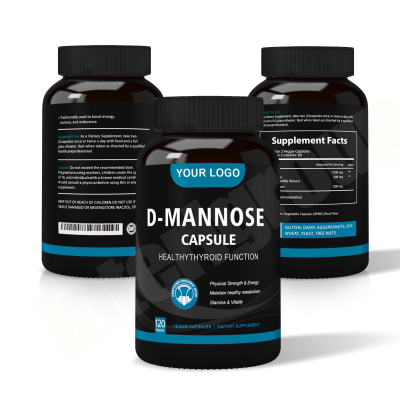
Procurement teams should also evaluate the physical form and packaging integrity of the product before committing to large orders. Observed listings indicate that D-Ribose capsules are often packaged in boxes or bottles, with some suppliers offering custom logo printing to support brand identity. The appearance of the capsule, typically a white shell containing white powder, serves as a basic visual quality indicator. However, visual inspection alone is insufficient; buyers must ensure that the packaging provides adequate protection against moisture and insects, preserving the potency of the active ingredient throughout the product’s shelf life.
Product Scope and Observed Listing Signals
The current market landscape for D-Ribose capsules includes a variety of product configurations tailored to different consumer needs. Listings frequently highlight features such as low-fat, sugar-free, and organic compositions, which appeal to health-focused buyers. Some suppliers offer customized specifications, allowing for adjustments in capsule size or dosage strength to meet specific market demands. These variations suggest a flexible manufacturing environment where buyers can find products that align closely with their target audience’s preferences, whether for general wellness or specialized dietary support.
It is important to note that while many products are marketed as suitable for adults, some listings also mention applicability to middle-aged and elderly individuals. However, certain formulations may not be suitable for pregnant women, newborns, or teenagers, necessitating careful review of the intended user group. Buyers must verify these demographic restrictions to ensure compliance with labeling regulations and to prevent misuse. The presence of customization options further complicates the sourcing process, requiring clear communication of requirements to avoid receiving products that do not match the agreed-upon specifications.
Technical Specifications to Verify
Technical verification begins with confirming the active ingredient concentration and dosage form. D-Ribose capsules are commonly available in strengths such as 500mg or 700mg per bottle, with some suppliers offering fully customized dosages. Buyers should request detailed specifications for the capsule shell, distinguishing between gelatin and HPMC options, as this impacts both the product’s ethical profile and its stability. Additionally, verifying the disintegration time, which is often cited as within 30 minutes, ensures that the capsule will dissolve appropriately in the digestive tract for optimal nutrient absorption.
Storage conditions and shelf life are critical technical parameters that directly impact product efficacy. Most D-Ribose capsules have a shelf life of two years when stored properly, typically between 15-25°C, and must be kept in moisture-proof environments. Buyers must ensure that their logistics partners can maintain these temperature and humidity controls throughout the supply chain. Furthermore, testing methods such as HPLC for D-Ribose content should be confirmed to guarantee that the active ingredient meets the declared potency levels, preventing discrepancies between labeled claims and actual product content.
Compliance and Safety Documentation
Compliance with international standards is non-negotiable for reputable D-Ribose capsule suppliers. Buyers should verify that manufacturers hold certifications such as GMP, ISO, and HACCP, which indicate adherence to rigorous quality management and food safety protocols. Some suppliers may also possess additional certifications like KOSHER or NOP, which are valuable for accessing specific market segments. These certifications provide assurance that the production facilities maintain consistent quality control measures, reducing the risk of contamination or inconsistency in the final product.
In addition to facility certifications, buyers must request documentation for specific product tests and ingredient sourcing. Certificates of Analysis (CoA) should confirm the purity of the D-Ribose powder and the absence of unwanted additives, aligning with the sugar-free and organic claims. It is also essential to verify that the product is GMO-free, as this is a common requirement for health-conscious consumers. Buyers should ensure that all compliance documents are up-to-date and issued by recognized third-party auditors to maintain credibility and regulatory compliance in their target markets.
Cost Drivers and Commercial Terms
Several factors influence the pricing structure of D-Ribose capsules, with customization being a primary driver. Products with standard specifications, such as 500mg capsules in bulk packaging, may offer more competitive pricing compared to those with custom logo printing or unique capsule sizes. Buyers should also consider the impact of packaging materials, such as foil bags or bottles, on the overall cost. While some listings show a wide price range, the actual cost will depend on the volume ordered, the complexity of customization, and the specific certifications required.
Minimum Order Quantities (MOQs) vary significantly among suppliers, ranging from small trial orders to large bulk purchases. Buyers must align their MOQ requirements with their inventory management capabilities and market demand forecasts. It is advisable to negotiate flexible terms for initial orders to test product quality and market response before committing to larger volumes. Additionally, buyers should clarify whether the quoted prices include shipping and handling costs, as these can significantly impact the total landed cost, especially for international shipments.
Supplier Qualification and Quality Control
Supplier qualification involves a thorough assessment of their manufacturing capabilities and quality control processes. Buyers should request site audits or virtual tours to verify that the production facilities are equipped with modern technology and maintain high hygiene standards. It is crucial to confirm that the supplier has a robust quality assurance system in place, including regular testing of raw materials and finished products. Suppliers who offer OEM services should demonstrate their ability to maintain confidentiality and consistency across different product batches.
Quality control extends beyond the manufacturing phase to include packaging and labeling accuracy. Buyers must ensure that the supplier follows strict protocols to prevent cross-contamination, especially if the facility produces multiple types of supplements. Verifying the supplier’s traceability systems is also important, allowing for quick identification and recall of any defective batches. Establishing a clear communication channel for quality issues and defining acceptable defect rates in the contract will help mitigate risks and ensure a smooth procurement process.
Long-Term Procurement Checks
Long-term procurement success depends on continuous monitoring of supplier performance and product quality. Buyers should establish regular review cycles to assess the supplier’s adherence to agreed-upon specifications and compliance standards. This includes periodic re-verification of certifications and testing of new batches to ensure consistency over time. Maintaining open communication with the supplier regarding any changes in regulations or market trends will help both parties adapt to evolving requirements and maintain product relevance.
Additionally, buyers should diversify their supplier base to mitigate risks associated with supply chain disruptions. Building relationships with multiple qualified suppliers provides flexibility in sourcing and negotiating power. It is also important to stay informed about emerging trends in the dietary supplement industry, such as new delivery formats or ingredient innovations. By proactively adapting to these changes, buyers can ensure that their product offerings remain competitive and meet the changing needs of their customers.
FAQs
What certifications do the organic sugar free d ribose capsules have?
The capsules hold multiple certifications including KOSHER, HACCP, GMP, and ISO standards. Some listings also mention QS and USP Bp compliance. These certifications ensure the product meets international safety and quality requirements for dietary supplements.
Can I customize the specification of the organic sugar free d ribose capsules?
Yes, customization is available for the product specifications. You can choose options like 500mg or 700mg per bottle, or request fully customized sizes. The manufacturer supports tailored packaging and formulation needs for bulk orders.
Which packaging options are available for the organic sugar free d ribose capsules?
Packaging options include boxes, bottles, and bulk foil bags. Specific configurations range from 1kg per foil bag to 25kg per drum. Custom packaging requirements are also accepted to meet specific distribution or branding needs.
How is the organic sugar free d ribose capsule stored and what is its shelf life?
The capsules have a shelf life of two years when stored properly. They require moisture-proof conditions and should be kept between 15 to 25 degrees Celsius. Insect prevention measures are also recommended during storage.
What is the minimum order quantity for the organic sugar free d ribose capsules?
The minimum order quantity varies by supplier but typically starts at 100 boxes. Some listings indicate a broader range from 1 to 1,000,000 units depending on the specific vendor and customization level required for your order.
Can the organic sugar free d ribose capsules be produced with a custom logo?
Yes, logo printing is available for the organic sugar free d ribose capsules. Manufacturers offer OEM services allowing you to apply your brand logo directly onto the packaging or the product itself for a customized appearance.
Which people are the organic sugar free d ribose capsules suitable for?
These capsules are suitable for adults, middle-aged, and elderly people. They are generally not recommended for pregnant women, newborns, children, or teenagers. Always consult a professional before use to ensure safety for your specific demographic.